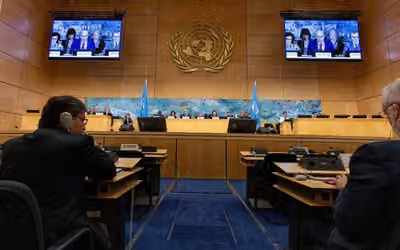
Alyssa Kellman of Human Rights Watch said the death of Paktiawal highlighted the need for transparency and accountability in US immigration detention facilities.
Paktiawal, a 41-year-old Afghan asylum seeker who served alongside US forces in Afghanistan for about a decade, died on March 14, less than 24 hours after being detained in Texas. US authorities said he died following what they described as an allergic reaction.
His death certificate was released 103 days after his death.
Kellman said US Immigration and Customs Enforcement (ICE) described Paktiawal as a “criminal illegal alien” when announcing his death, despite the fact that he had no criminal convictions and had been granted humanitarian parole because of his years of service alongside the US military.
His asylum application was under review, but the US government suspended the processing of Afghan asylum claims in November last year.
Paktiawal was detained on March 13 while taking his children to school. His family told the organisation AfghanEvac that he suffered from a respiratory condition requiring an inhaler and that his wife had tried to provide it to him.
US immigration authorities said Paktiawal complained of shortness of breath and chest pain after his arrest, was taken to hospital and died the following day.
Kellman said his death was part of a growing number of deaths in ICE detention facilities.
She added that calls for greater transparency over deaths in immigration detention had increased since the current US administration took office.
Although Paktiawal’s death certificate listed the cause of death as an accident, Coleman said the finding raised further questions about the circumstances surrounding his death.
Human Rights Watch said the US government had declined to release further details despite requests from Paktiawal’s family, refugee advocacy groups and several members of Congress.
Local authorities have also withheld the full autopsy report, saying its release could affect an ongoing federal criminal investigation.
Human Rights Watch said transparency and accountability required a full investigation and the publication of information related to the case, arguing that releasing Paktiawal’s complete autopsy report would be an important first step.