Taliban Leader’s Decrees Not Enforced Uniformly Across Afghanistan, Says UN
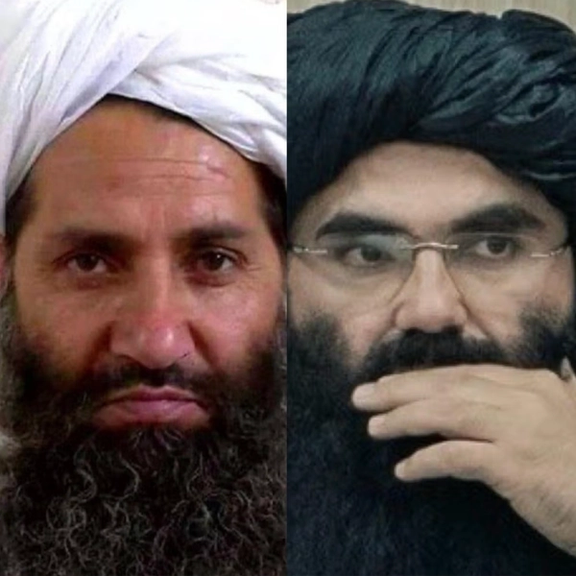
A new report by the United Nations Security Council says decrees issued by Taliban leader Hibatullah Akhundzada are not implemented uniformly across Afghanistan.
A new report by the United Nations Security Council says decrees issued by Taliban leader Hibatullah Akhundzada are not implemented uniformly across Afghanistan.
The report stated that powerful figures within the group, including members of the Haqqani network, able to act independently.
Ethnic Discrimination
The UN sanctions monitoring committee reported to the Security Council that the Taliban treat non-Pashtun citizens more harshly than Pashtuns.
The report added that relative stability in Afghanistan has largely been achieved at the cost of widespread human rights violations and internal repression.
Afghanistan Losing $1 Million a Day Due to Pakistan Border Closures
The UN Security Council said Afghanistan is losing about $1 million a day as a result of border closures following clashes between the Taliban and Pakistan.
The report warned that if underlying issues are not addressed, there is a risk of further escalation and a possible intensification of military confrontation between Pakistan and the Taliban.
Taliban Not Seeking Popular Support
The Security Council’s latest report said the Taliban believe their fate is tied to governing power and are not seeking public approval or popular support.
The report said that while the Taliban seek international recognition, they have failed to respond to the concerns and views of the international community.
According to the UN, the Taliban have continued to consolidate control, and their authority remains largely unchallenged. While a degree of peace and stability exists in the country, the report said this situation does not benefit all segments of society. Women, girls and some minority groups have been particularly affected under Taliban rule.
Foreign Terrorist Groups Active in Afghanistan
The UN Security Council said Taliban claims that no terrorist groups operate in Afghanistan are “not credible.”
The sanctions monitoring committee said a wide range of countries consistently confirm that terrorist groups remain active in Afghanistan.
According to the report, member states say groups including Islamic State–Khorasan (ISKP), Tehreek-e-Taliban Pakistan (TTP), al-Qaida, the Turkistan Islamic Party, Jamaat Ansarullah, the United Mujahideen of Pakistan and other groups maintain a presence in the country.
The report added that Tehreek-e-Taliban Pakistan has carried out numerous attacks against Pakistan from Afghan territory.
More Than 4.5 Million Afghan Migrants Deported From Iran and Pakistan
The UN Security Council said that since October 2023, more than 4.5 million Afghan migrants, mostly from Iran and Pakistan, have been forcibly returned to Afghanistan.
The report said efforts by the international community to assist and support returnees have been hampered by Taliban restrictions on women.
