• العربية
  • پښتو
  • فارسی
Brand
  • Afghanistan
  • Sport
  • Analysis
  • Markets
  • Afghanistan
  • Sport
  • Analysis
  • Markets
  • Theme
  • Language
    • العربية
    • پښتو
    • فارسی
  • Afghanistan
  • Sport
  • Analysis
  • Markets
All rights reserved for Volant Media UK Limited
volant media logo

Taliban Army Chief Seeks To Bring Dissident Commander To Kabul

Jul 13, 2026, 11:17 GMT+1

Sources in Badakhshan told Afghanistan International that Taliban army chief Fasihuddin Fitrat is trying to persuade dissident commander Juma Khan Fateh to travel to Kabul for further talks with the group’s leadership.

According to the sources, Fitrat and his delegation have been holding talks with Fateh in Faizabad since Sunday in an effort to convince him to travel to Kabul.

Fateh returned to the Darwaz region on Friday after meeting Taliban officials in Faizabad. Sources said that after spending one night at his base in Nusay district, he travelled with Fitrat to Wurduj district before returning to Faizabad.

Fateh had earlier agreed to travel to Faizabad after receiving security guarantees from Fitrat. Following the talks, Taliban-affiliated media claimed he had returned to Darwaz after reaffirming his loyalty to the group.

It remains unclear why the Taliban delegation wants to bring Fateh to Kabul. However, the Taliban leadership had previously offered him a post as deputy head of the intelligence directorate in the capital, an offer he declined.

Most Viewed

Anti-Taliban Fronts Claim 15 Attacks On Taliban Positions In One Week
1

Anti-Taliban Fronts Claim 15 Attacks On Taliban Positions In One Week

2

231 Femicide Cases Recorded In Afghanistan Since Taliban Returned To Power

3

Taliban Commander Inspects Security Along Badakhshan’s Borders

4

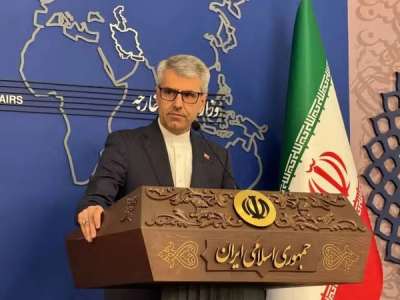
Iran Seeks Justice For Diplomats Killed In Mazar-e-Sharif, Avoids Naming Taliban

•
•
•

More Stories

Taliban Intensifies Crackdown On Independent Media, Says Rights Group

Jul 13, 2026, 09:39 GMT+1
100%

The Afghanistan Media Support Organisation says journalists and media outlets face a multilayered, organised and widespread crisis under Taliban rule, with arrests, physical violence and interference in media affairs increasing over the past month.

The Afghanistan Media Support Organisation (AMSO) published an analytical report titled Under the Shadow of Fear and Censorship on Sunday, saying its findings were based on information gathered from across Afghanistan between 10 June and 10 July 2026.

The report assesses the situation facing Afghan media in four areas: security and physical safety, administrative and professional challenges, technology, and ideological restrictions.

According to the report, journalists faced arbitrary arrests, mistreatment, beatings and security threats during the reporting period.

AMSO said some journalists were detained by Taliban intelligence after covering official events. Others, it said, were arrested and beaten over routine disputes, including disagreements about transport costs.

The organisation said journalists who were released from detention were pressured to remain silent about their treatment and discouraged from filing complaints or speaking publicly about their experiences. It said such practices had deepened fear and self-censorship among media workers.

In another section, AMSO criticised Taliban spokespersons for the way they disseminate information, saying many publish announcements late at night or through their personal social media accounts instead of using official channels during working hours.

According to the organisation, this practice has made access to information more difficult for journalists and, in some cases, has led to administrative disputes and salary deductions.

AMSO also reported increased interference by the Taliban’s Ministry for the Propagation of Virtue and the Prevention of Vice in media activities. According to the report, some radio stations received warnings about broadcasting female voices, while ministry inspectors continued conducting visits to media offices.

The organisation also said journalists continued to face pressure to grow beards and alter their appearance in line with Taliban directives.

The report further said the Taliban had warned journalists against publishing reports on Afghanistan’s economic difficulties, rising fuel prices, disputes among Taliban officials and details of security incidents in either the media or on social media.

According to AMSO, some journalists have been threatened with detention or suspension for publishing such material.

The organisation also described restrictions on the use of smartphones in several government offices as a serious obstacle to media work, saying the measure had significantly disrupted journalists’ access to information, communication with spokespersons and the production of video interviews.

In its conclusion, AMSO said Afghanistan’s media sector was facing a deep, widespread and multidimensional crisis.

The organisation warned that shrinking freedom of expression, the systematic restriction of access to information, growing security, economic and psychological pressure on journalists, and intensifying censorship posed a serious threat to the future of Afghanistan’s media and increased the risk of the gradual loss of professional journalists and media workers.

Juma Khan Fateh Is No Threat To Taliban Rule, Says Badakhshan Governor

Jul 11, 2026, 18:03 GMT+1
100%

Badakhshan’s Taliban governor downplayed the role of dissident commander Juma Khan Fateh, describing recent internal tensions in the province as “a very ordinary issue” that had now been fully resolved.

Speaking to Hurriyat Radio on Saturday, Badakhshan Taliban governor Mohammad Ismail Ghaznavi dismissed the significance of local commander Juma Khan Fateh, saying: “Juma Khan Fateh’s status is not such that he could pose a threat to the system.”

Ghaznavi described Fateh as an “ordinary individual” and a “former district governor”, adding that the Taliban had more than 28 district governors like him in Badakhshan. He said: “We had no ill intent towards Fateh, nor was he a threat to the system. He was simply one of the district governors in Badakhshan.”

Senior Taliban Delegation Travelled to Badakhshan

Although local Taliban officials have portrayed the dispute as a routine administrative misunderstanding, local sources say the disagreement became serious enough to require the intervention of the Taliban’s most senior military leaders from Kabul.

Among those who travelled to Badakhshan were Taliban Defence Minister Mullah Mohammad Yaqoob Mujahid, Taliban army chief Fasihuddin Fitrat and Helmand governor Qari Amanuddin Mansour to help resolve the dispute and prevent an armed confrontation.

Their presence highlighted concerns within the Taliban leadership about the risk of growing divisions between local commanders and officials sent from Kabul.

Fateh's Transfer to Faizabad

The Badakhshan governor described Fateh’s transfer to Faizabad as a routine administrative matter, saying: “He is part of this system. We instructed him to come, he came, and there is no issue now.”

However, informed sources say Fateh was transferred to the provincial capital only after a delegation from Kabul intervened and provided him with security guarantees. He later returned to the Darwaz region under those assurances.

With its 28 districts, Badakhshan is one of the Taliban’s most complex provinces in terms of geography and demographics. The recent dispute has once again highlighted the group’s internal challenges in northern Afghanistan.

UN Urges Pakistan To Halt Forced Deportations Of Afghans

Jul 11, 2026, 14:41 GMT+1
100%

The UN refugee agency has again voiced concern over Pakistan’s forced deportation of Afghan nationals and asylum seekers, urging that any returns should be voluntary, safe and dignified. Border reports show returns have surged since Islamabad’s deadline expired.

Pakistan’s Dawn newspaper reported that local officials at the Hamza Baba transit point in Landi Kotal said daily returns of Afghans had exceeded 10,000 after the government ordered all Afghan nationals to leave the country by July 10. According to the officials, the figure is nearly three times higher than in May and June.

Concern Over Women and Girls

Qaiser Khan Afridi, spokesperson for the UN High Commissioner for Refugees (UNHCR) in Pakistan, thanked Pakistan for hosting Afghan refugees for decades but stressed that no refugee should be returned to a country where their life or freedom would be at risk.

He said UNHCR was particularly concerned about women forced to return to a country where their human rights faced serious threats.

Afridi urged the Pakistani government to ensure that any returns of Afghan nationals were carried out on a voluntary, safe and dignified basis.

Fear of Arrest Drives Increase in Returns

Border officials in Landi Kotal and Torkham said fears of arrest and deportation had prompted thousands of Afghans, both documented and undocumented, to head towards the border crossings. They said the number of returnees was expected to rise further as Pakistan fully implements its deportation campaign.

According to UN figures, around 2.56 million Afghan nationals have returned to Afghanistan since Pakistan launched its campaign to expel undocumented foreigners in November 2023. Of those, about 260,000 were deported by Pakistan’s immigration authorities for lacking valid documents. Around 900,000 Afghan refugees and asylum seekers remain in Pakistan.

Call to Exempt Vulnerable Groups

UNHCR has called on Pakistan to exempt Afghans with urgent international protection needs from deportation. These include female heads of household, girls and women studying in Pakistani educational institutions, ethnic and religious minorities, human rights defenders, journalists, civil society activists, artists and members of the LGBTQ community.

Meanwhile, Pakistani local authorities said the deportation of Afghan nationals was continuing in an organised manner across different areas, including Lower Mohmand, under government supervision. Officials said that, in one recent case, several Afghan families were returned to Afghanistan after their identities were verified and exit documents were issued.

Anti-Taliban Figures Would Outpoll Taliban, Says NRF Leader

Jul 11, 2026, 11:20 GMT+1
100%

National Resistance Front leader Ahmad Massoud rejected claims of divisions among the Taliban’s opponents, saying they remained united around shared principles and values. He also argued that anti-Taliban figures would outperform the Taliban in free elections.

Speaking during an online event marking the 10th anniversary of the death of former jihadi commander Sayed Hussain Anwari, Massoud said narratives portraying the Taliban’s opponents as divided and fragmented were part of an effort to spread hopelessness among the Afghan people and the international community.

The National Resistance Front leader urged anti-Taliban groups and movements to remain alert to what he described as divisive narratives. He said: “We are not fragmented. We are united, cohesive and committed to shared principles and values.”

Referring to the public support enjoyed by several anti-Taliban figures, Massoud said that if free and genuine elections were held and people were able to vote freely, the Taliban would not be able to defeat established political figures with broad public backing.

He cited former Afghan vice-president Abdul Rashid Dostum as an example, saying: “Is it possible for Marshal Dostum to stand in an election and for a Taliban candidate to receive more votes than him? That is impossible.”

Responding to claims that there is no alternative to the Taliban administration, Massoud said the alternative was not an individual but a national and lawful political process.

According to him, that process would include the formation of a transitional government, the drafting of a constitution, the convening of a Loya Jirga and the holding of free elections to establish a legitimate government accepted by all Afghan citizens.

Afghanistan has faced deep political, security and social crises over the past five years. During this period, anti-Taliban groups and political figures living in exile have repeatedly called for the creation of an alternative political structure and a vision for Afghanistan’s future political system through conferences and political initiatives.

However, those efforts have yet to produce a broad, unified and influential coalition or any practical political alternative to the Taliban.

Taliban Have Made Afghanistan a Regional Terrorism Hub, Says US Think Tank

Jul 10, 2026, 17:14 GMT+1
100%

The Council on Foreign Relations has warned in its latest report that terrorism and extremism under Taliban rule continue to pose a serious threat to the security of neighbouring countries and regional stability.

According to the Centre for Preventive Action’s Global Conflict Tracker, published on July 6, 2026, the Taliban continues to enforce absolute control over Afghanistan through its strict interpretation of Sharia law. The report says terrorist groups, including al-Qaeda, have turned Afghanistan into a base for recruiting, training and deploying militants beyond the country’s borders.

The Council on Foreign Relations also said the Taliban’s ban on girls’ secondary education remains in place, alongside restrictions requiring women to travel with a male guardian and cover their faces in public. According to the report, Afghans continue to face a serious threat from terrorist attacks under Taliban rule.

Rising Tensions With Pakistan

A key section of the report focuses on deteriorating relations between Afghanistan and Pakistan. It says Pakistan has effectively entered into “open war” with the Taliban following air strikes on Taliban military facilities. According to the report, the confrontation marks the most direct military clash between the two sides since the Taliban returned to power in 2021.

Islamabad says the strikes were a response to attacks by the Pakistani Taliban aka Tehreek-e-Taliban Pakistan (TTP), which Pakistani officials accuse of operating from Afghan territory. The report notes that 2025 was Pakistan’s deadliest year in more than a decade, with conflict-related deaths rising by 74% to more than 3,400.

The report says the conflict intensified in February and March 2026. It states that Pakistan carried out extensive air strikes in Nangarhar and Paktika provinces and that, on March 16, a Pakistani air strike on a hospital in Kabul killed at least 269 civilians. It adds that China has attempted to mediate between the two sides through talks in Urumqi, but no formal agreement has yet been reached.

Terrorist Threats and Humanitarian Crisis

The report also highlights the continued activities of ISIS-K, saying the group remains capable of carrying out attacks both within the region and beyond, including the Moscow shooting attack in March 2024. It also identifies Baloch militant groups as an ongoing security threat to Pakistan.

The Council on Foreign Relations warns that Afghanistan continues to face one of the world’s largest humanitarian crises. In 2025, nearly 23 million people, almost half the population, required humanitarian assistance, while more than 28% of the population suffered from malnutrition.