Trade Disruptions Between Pak & Afghanistan Fuel Regional Instability, Warn Experts
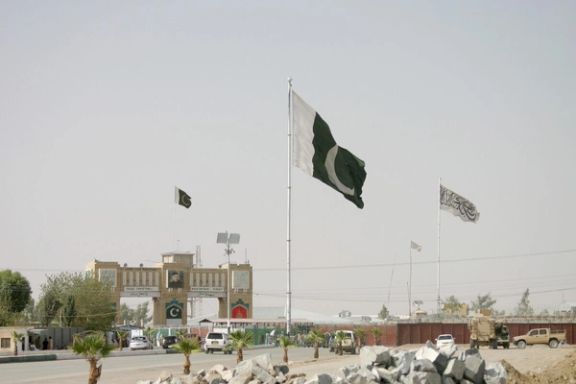
Experts have warned that prolonged disruptions to trade between Pakistan and Afghanistan are having wide-ranging economic and social consequences across the region.
Experts have warned that prolonged disruptions to trade between Pakistan and Afghanistan are having wide-ranging economic and social consequences across the region.
The warnings were voiced during an online session hosted by the Pakistan Research and Security Studies Centre on Monday, which brought together policymakers, customs officials, traders and experts from both countries.
Khan Jan Alokozay, head of the Pakistan–Afghanistan Joint Chamber of Commerce and Industry, said the continued closure of border crossings and suspension of trade risk further exacerbating regional instability.
Fazal Moqeem Khan, a former chamber of commerce and industry president, called for the establishment of cross-border economic zones to enable traders and producers on both sides to cooperate and revive bilateral trade. He warned that unilateral or short-term trade measures are unsustainable and ultimately weaken both economies.
Mujeeb Shinwari, head of the All-Pakistan Torkham Customs Clearing Agents Association, highlighted the human cost of repeated border closures, saying border communities suffer the most because their livelihoods are directly tied to cross-border trade. He said persistent disruptions have paralysed local economies and further eroded incomes in these areas.
Naqeebullah Safi, executive director of the Kabul office of the Afghanistan Joint Chamber of Commerce and Industry, stressed that trade should be kept separate from politics. He said low-income and border communities have been disproportionately affected and warned that prolonged closures could permanently distance the markets of Afghanistan and Pakistan from one another.
Ibrahim Shams, a former vice president of the Afghanistan Investment Support Agency, said long-term trade blockades tend to increase insecurity rather than reduce it, with ordinary citizens bearing the heaviest burden.
Mohammad Ibrar Aimal, an Afghan researcher, said sustained disruptions have halted production, disrupted supply chains and caused job losses, particularly in agriculture and small industry sectors across Pakistan, Afghanistan and the wider region.
Ahmad Shah Yarzada, an Afghan trader, called for a joint appeal to normalise trade and economic activity, led collectively by traders, tribal elders and border communities on both sides. He said repeated disruptions in Pakistan–Afghanistan trade have pushed many Afghan companies to turn instead to Iran and Central Asia.
Participants also raised concerns about the lack of organised and coordinated cooperation between chambers of commerce in the two countries. They emphasised the need to strengthen private-sector coordination and pursue more systematic advocacy to address the challenges facing cross-border trade.
