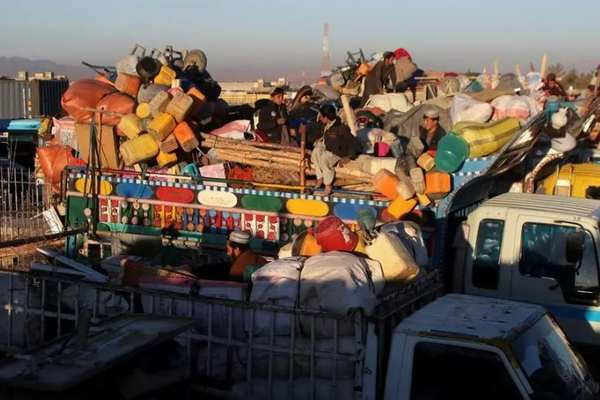
Taliban's Ministry of Justice Publishes Law On Land Distribution To Returning Refugees
The Taliban's Ministry of Justice announced the signing of three new laws by Hibatullah Akhundzada, the leader of the group.
The Taliban's Ministry of Justice announced the signing of three new laws by Hibatullah Akhundzada, the leader of the group.
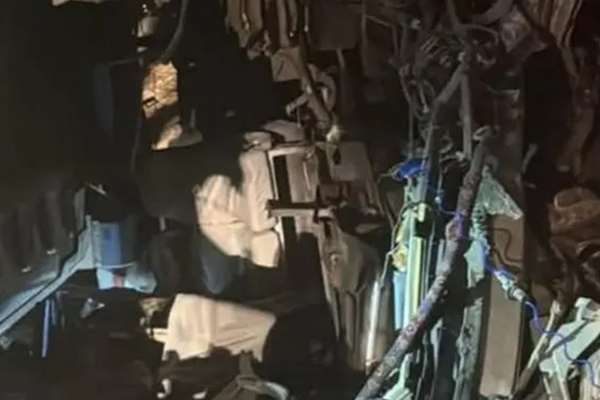
Taliban spokesman Zabihullah Mujahid announced that 52 people were killed and 65 others were injured in two fatal traffic accidents on the Kabul-Kandahar highway.
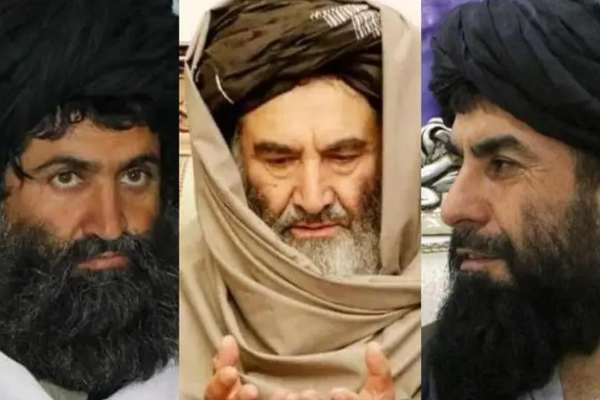
After the assassination of Taliban leader Khalil Haqqani, Abdul Ahad Talib, commander of his special forces; Mullah Shirin, the governor of Kandahar, and Yousuf Wafa, the governor of Balkh, have been asked to pay attention to their security.
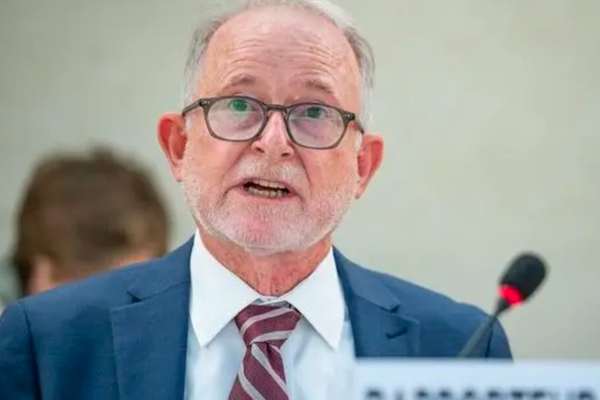
Richard Bennett, the UN special rapporteur on human rights, said that challenging the Taliban's repressive government and holding the group accountable is the collective responsibility of the world.
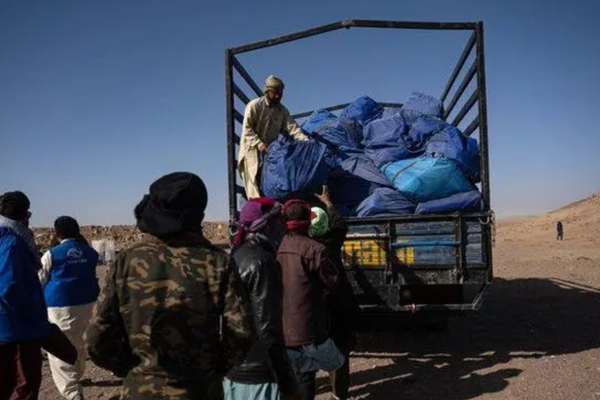
The United Nations Office for the Coordination of Humanitarian Affairs (OCHA) reported that 164 aid disruptions were recorded in Afghanistan in November this year, an increase of 56 percent compared to the previous month.
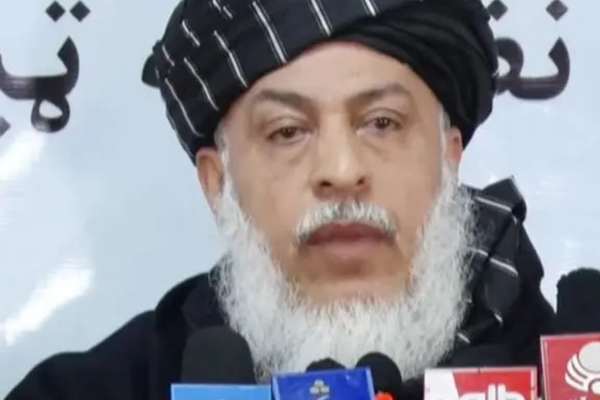
Sher Mohammad Abbas Stanekzai, the Taliban's deputy foreign minister, criticised the restrictions on the media at a meeting in Kabul. He called on the Taliban administration to strengthen the media and leave it free.
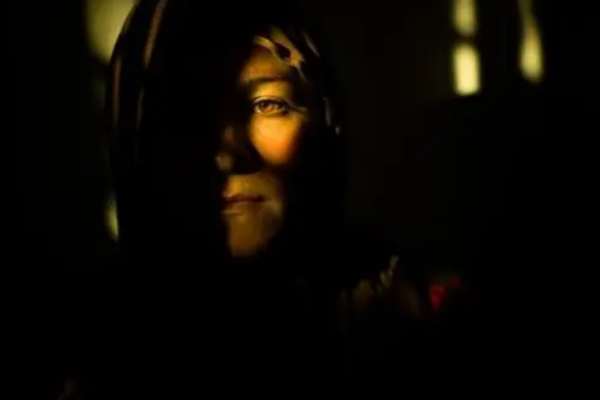
The International Organisation for Migration (IOM) announced that more than 1.2 million Afghan refugees from Pakistan and Iran have returned to Afghanistan in 2024.
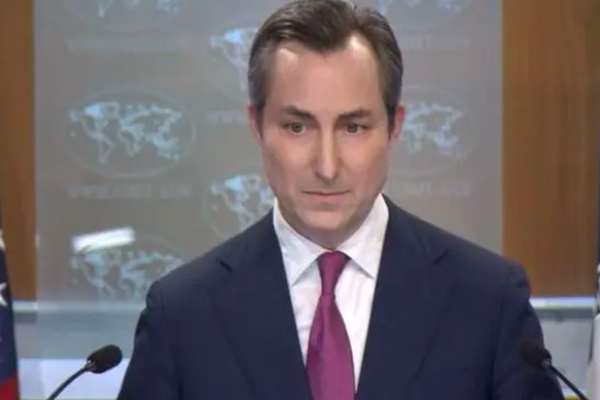
A US State Department spokesperson said that Washington has the ability to engage with "designated terrorist groups" to advance US interests.
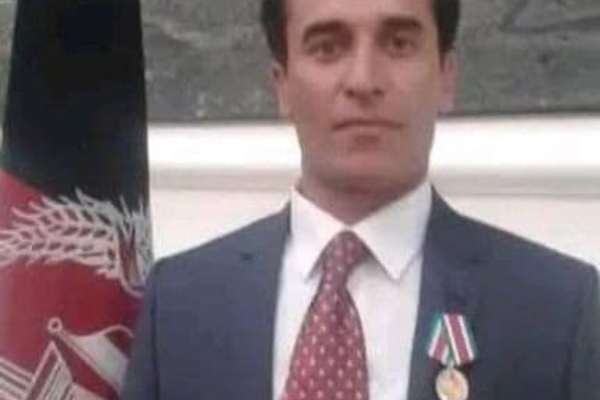
Sources confirmed to Afghanistan International that Rahm Dil Hanafi, one of Ashraf Ghani's former bodyguards, committed suicide in Kabul on Sunday, December 15, due to the arrest of his wife by the Taliban.
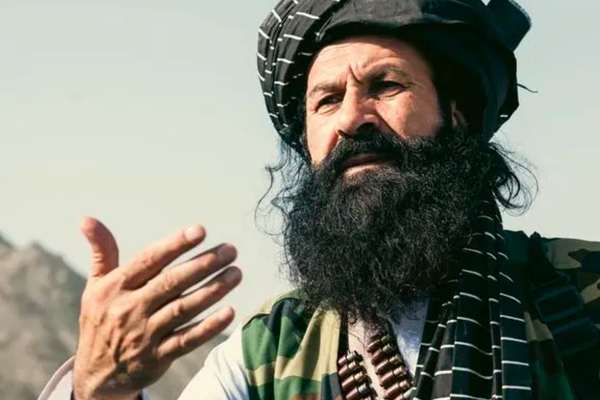
In separate messages, the two branches of al-Qaeda condemned the assassination of Khalil-ur-Rehman Haqqani, the Taliban's minister of refugees and a prominent member of the Haqqani network.
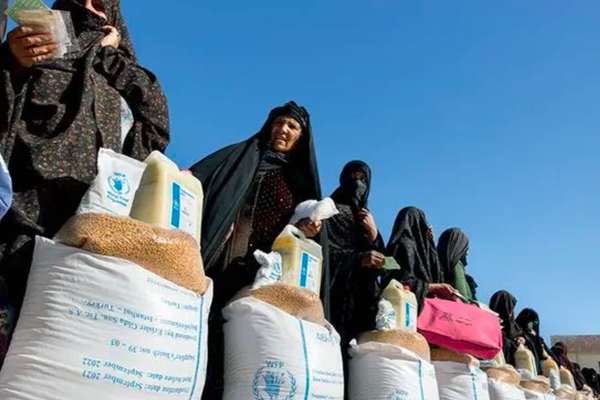
The United Nations Office for the Coordination of Humanitarian Affairs (OCHA) has announced that 22.9 million people in Afghanistan are in need of humanitarian assistance in 2025.
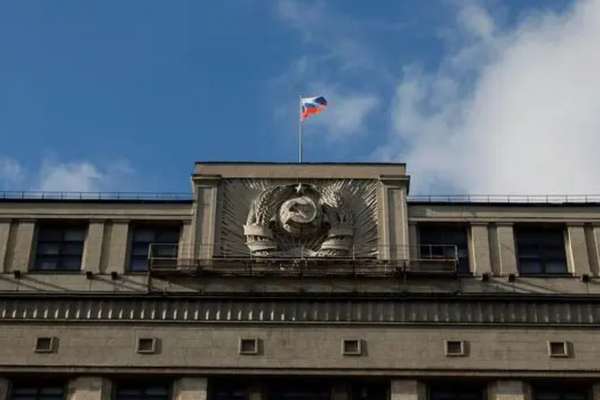
The Russian parliament has paved the way for the normalisation of relations with the Taliban by passing a law that allows the temporary suspension of the ban on "terrorist groups" in the country.
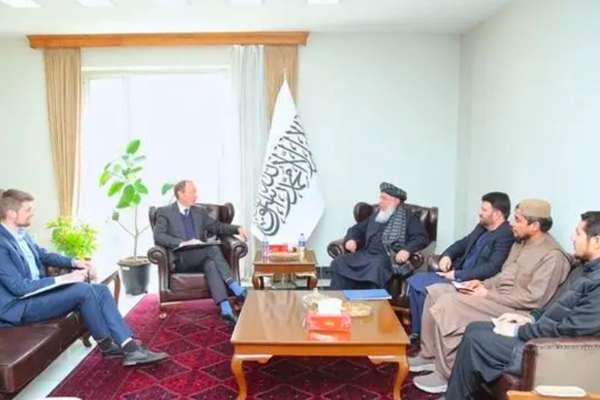
Robert Chatterton Dickson, the chargé d'affaires of the British embassy in Afghanistan has said that there are many potential areas for cooperation with the Taliban, but it is conditional on the Taliban's positive actions in the field of human rights.
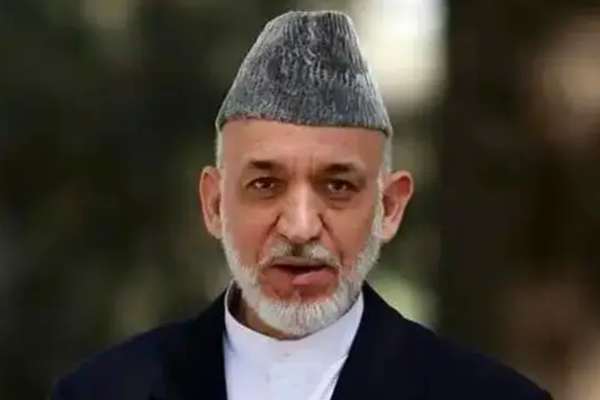
Former Afghan president Hamid Karzai returned to Kabul after meeting with officials from Germany, Britain, Turkiye and the United Arab Emirates.
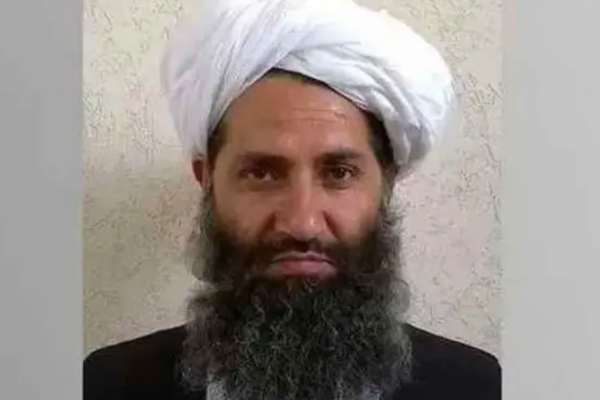
The Taliban announced the holding of a special meeting of the Economic Commission chaired by Mullah Hibatullah Akhundzada.
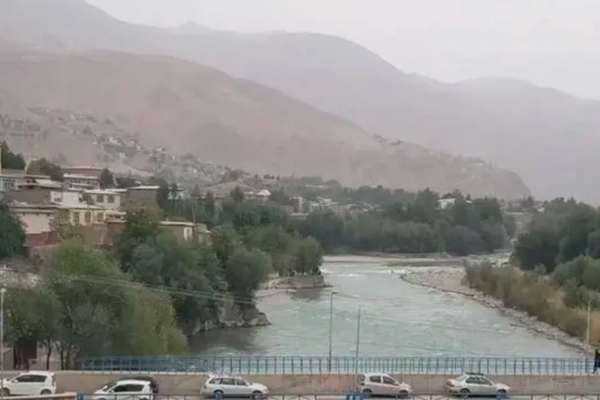
Local sources in Badakhshan told Afghanistan International on Monday that Taliban forces shot dead a 14-year-old Ismaili boy in Wakhan district.
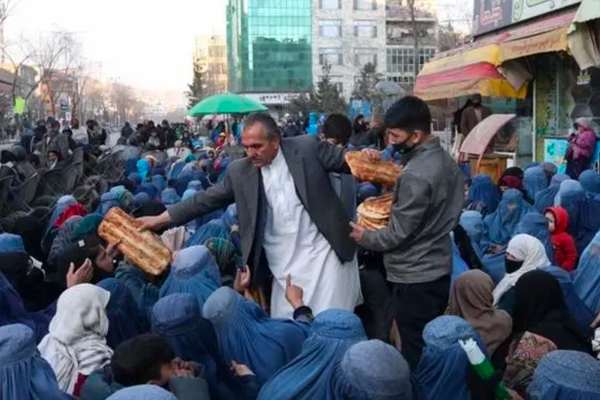
The World Food Programme (WFP) said that nearly 15 million people in Afghanistan do not know where their next meal will come from.
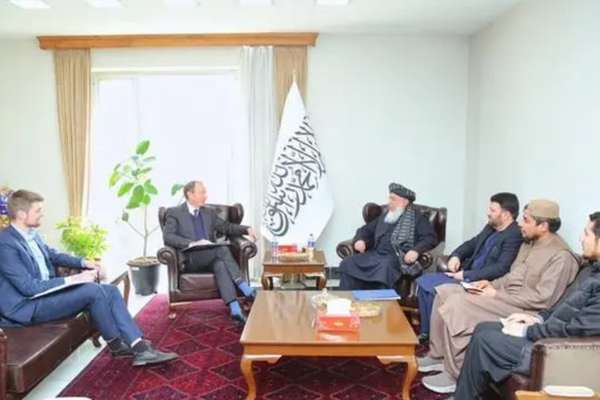
The Taliban's Foreign Ministry announced on Monday that Sher Mohammad Abbas Stanekzai, the ministry's deputy for political affairs, discussed the establishment of consular services for Afghans in Europe, especially in the United Kingdom.
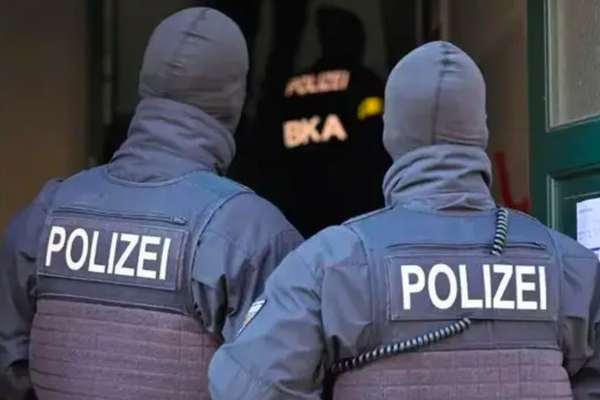
The Bild newspaper reported that the German police were aware of the holding of a funeral ceremony for Khalil-ur-Rehman Haqqani by the Afghan Cultural Association Hesse eV.
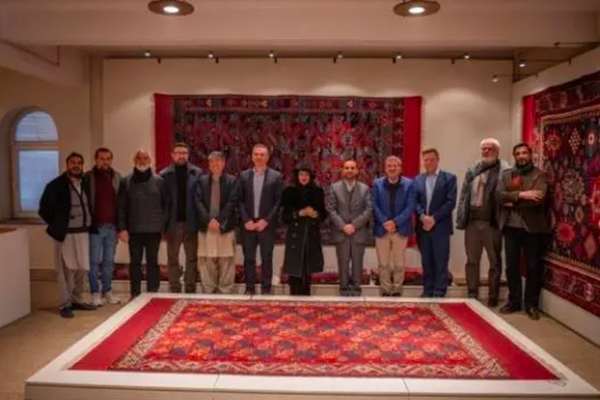
The European Union announced that it has allocated €19.8 million to the Aga Khan Foundation for the implementation of a €22 million project in Afghanistan.
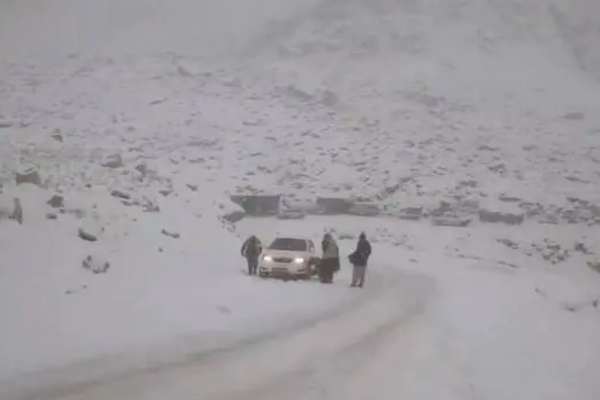
Mohammad Ashraf Haqshenas, a spokesman for the Taliban's Ministry of Public Works, announced on Monday, December 16, that the Ghor-Kabul highway has been closed to traffic following heavy snowfall.