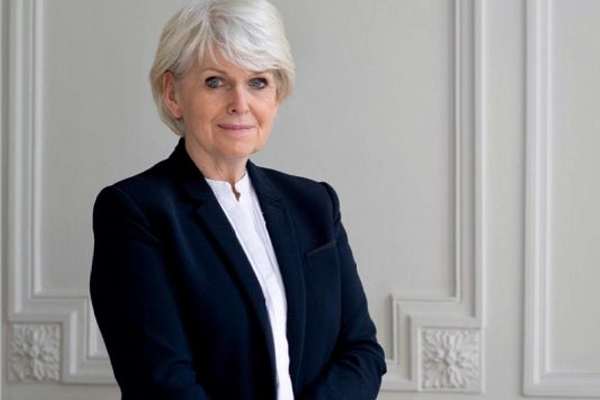
Afghan Women Must Be Included In Decision-Making, Says France's Envoy
France’s ambassador for human rights said Afghan women must be included in all decision-making processes and that Paris rejects any dialogue with the Taliban.
France’s ambassador for human rights said Afghan women must be included in all decision-making processes and that Paris rejects any dialogue with the Taliban.
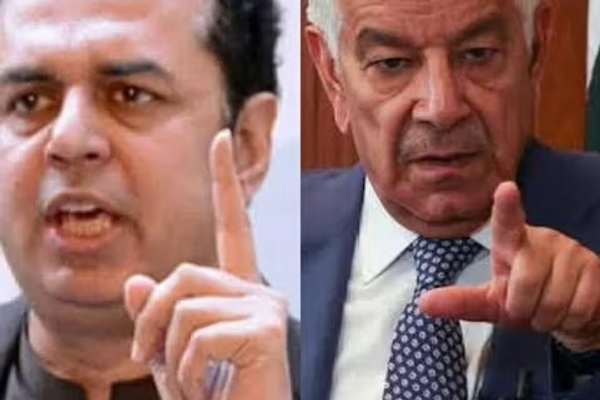
Pakistan’s Defence Minister Khawaja Asif and Minister of State for Interior Talal Chaudhry said “Operation Ghazab lil Haq” has been temporarily suspended for Eid al-Fitr but will resume.
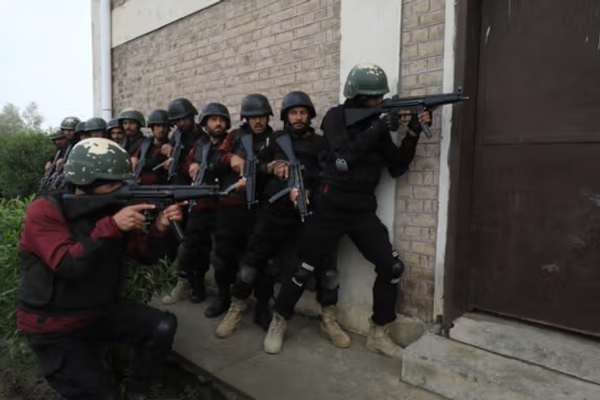
The Institute for Economics and Peace says Pakistan has topped the Global Terrorism Index for the first time, recording the highest impact from terrorist attacks last year.
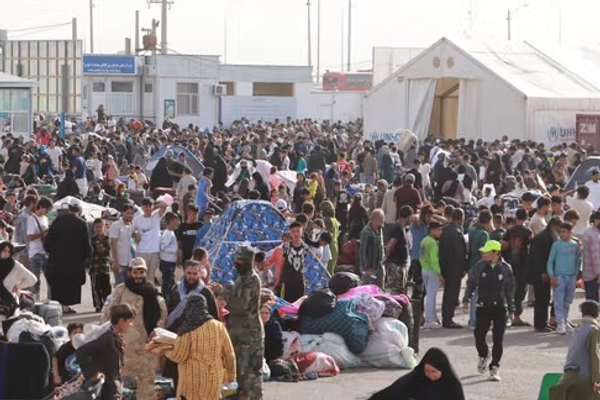
The United Nations High Commissioner for Refugees says that amid escalating tensions in Iran, thousands of Afghans are returning to Afghanistan.
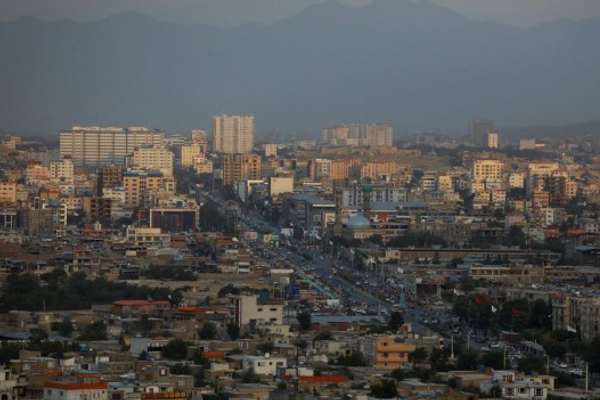
Local sources told Afghanistan International that the Taliban prevented Shia Muslims from holding Eid al-Fitr prayers in some areas of Kabul.
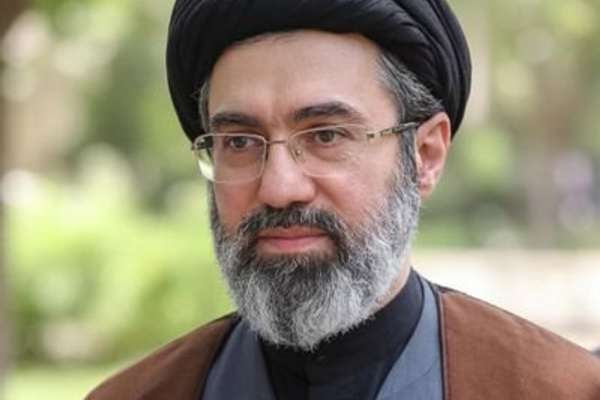
A message attributed to Mojtaba Khamenei, Iran’s new supreme leader, has been published, calling for improved relations between Afghanistan and Pakistan.
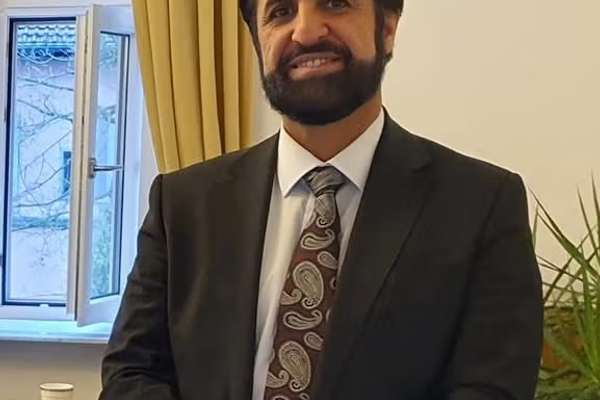
Afghanistan International has obtained documents showing the Taliban have removed Abdul Baqi Popal, Afghanistan’s acting ambassador to Germany, from his post.
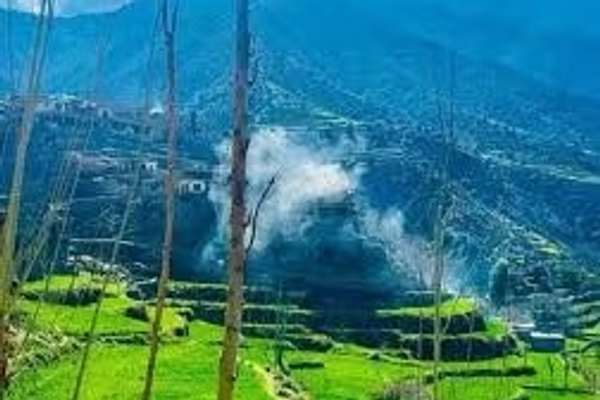
The Taliban claim Pakistani artillery strikes have continued in Kunar province despite a temporary ceasefire between the two sides.
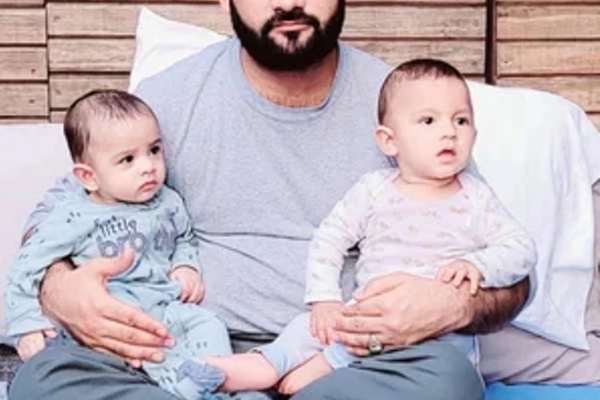
US lawmakers have called for accountability following the death of an Afghan asylum seeker in immigration detention.
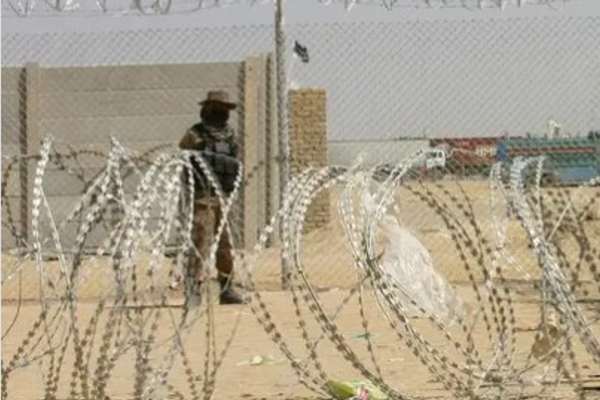
Pakistan has rejected Taliban claims that it violated a ceasefire along the border.
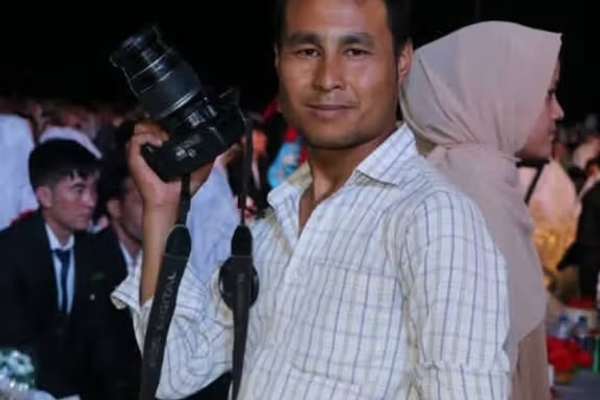
Afghanistan Journalists Centre says Afghan journalist Mehdi Ansari has been released from a Taliban prison after completing his sentence.
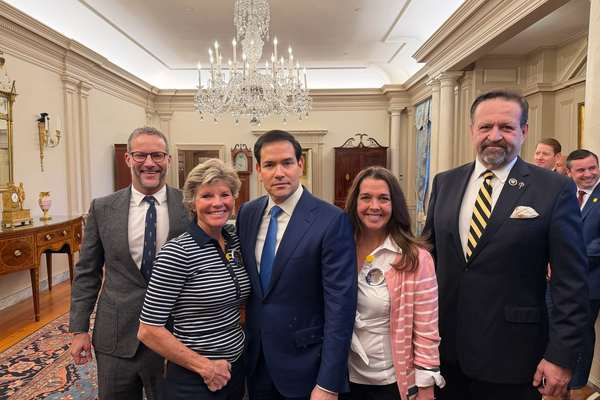
The US State Department says the Taliban are detaining American citizens for political gain and warned the actions will not go unanswered.
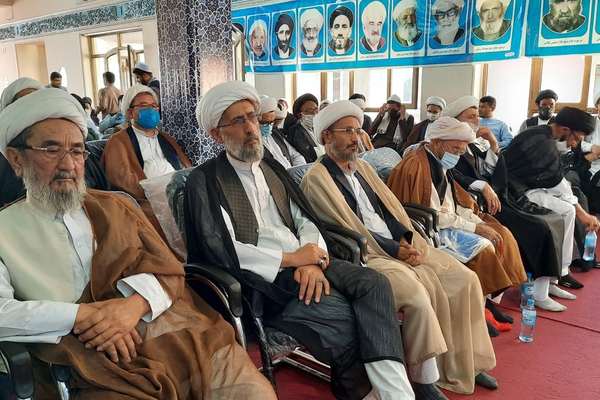
Sources told Afghanistan International that the Taliban have detained several Shia clerics in Herat after they refused to mark Eid al-Fitr on the day declared by the group.
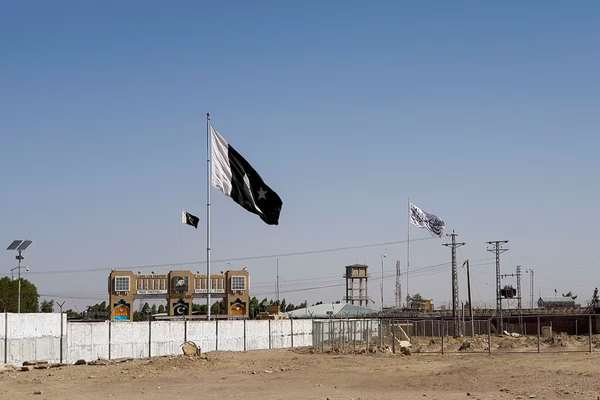
China’s foreign ministry says it welcomes a temporary ceasefire agreement between Pakistan and the Afghan Taliban.
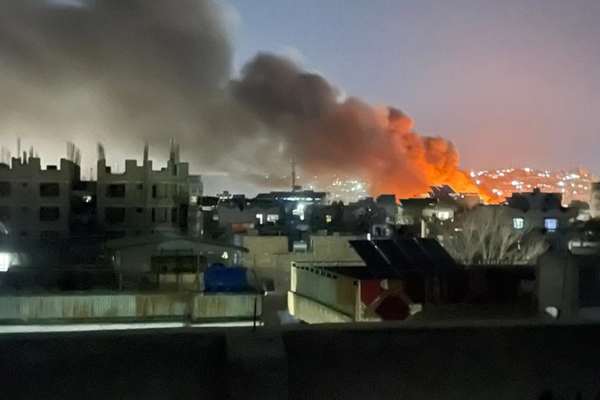
The UN Office on Drugs and Crime says it did not support the Omid hospital in Kabul that was destroyed in a Pakistani airstrike, citing its control by the Taliban interior ministry.
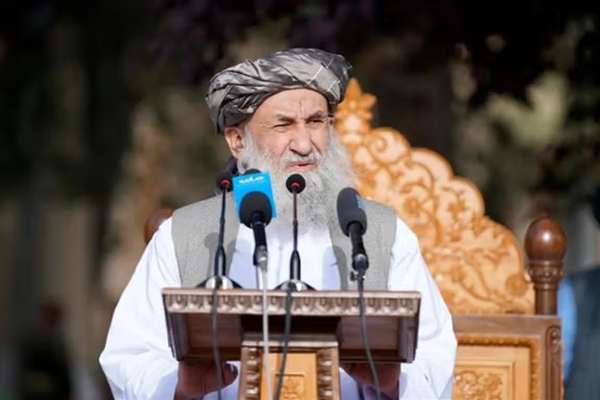
Taliban Prime Minister Mullah Hasan Akhund says he supports dialogue and peaceful solutions to resolve issues with Pakistan.
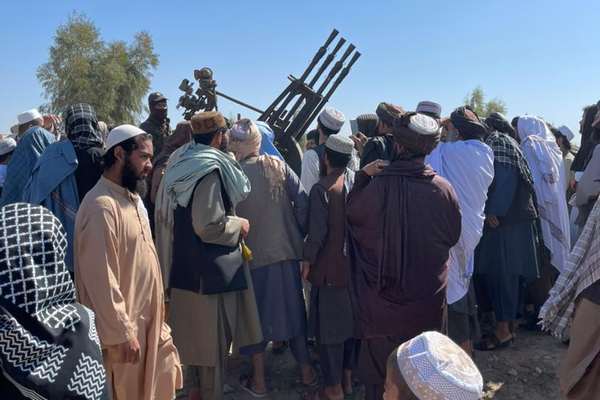
The Taliban say their leader, Hibatullah Akhundzada, attended Eid al-Fitr prayers at Kandahar’s Eidgah Mosque on Thursday and delivered a speech.
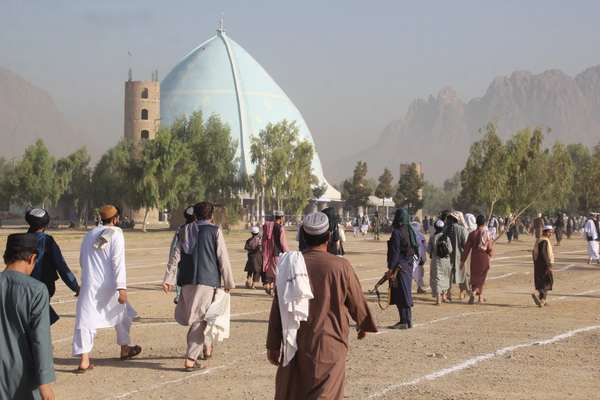
Sources told Afghanistan International that the Taliban temporarily shut down telecommunications networks across Kandahar on Thursday during the presence of their leader, Hibatullah Akhundzada, at the Eidgah Mosque.

The Taliban’s interior minister, Sirajuddin Haqqani, said the group is “not weak” and capable of confronting Pakistan but does not want the situation to escalate.
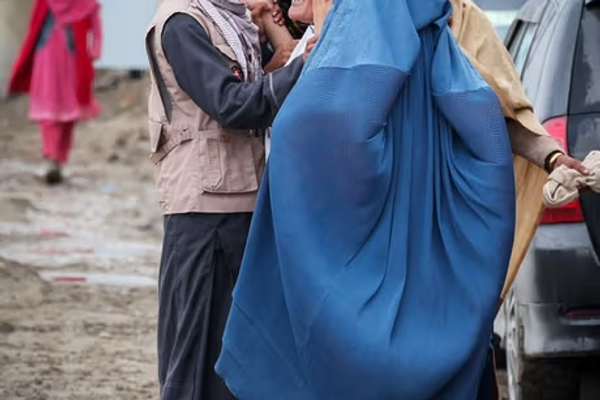
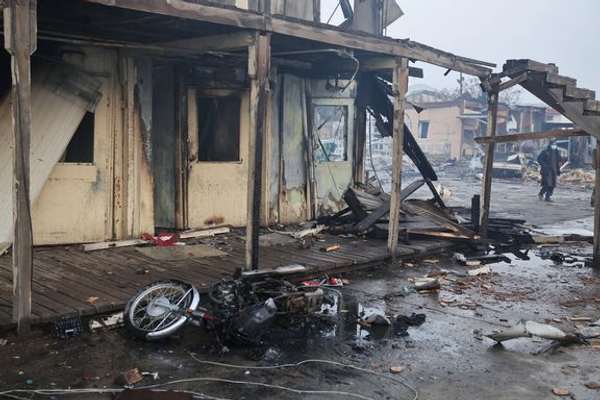
A United Nations official told Reuters on Wednesday that the UN mission in Afghanistan estimates 143 people were killed in a Pakistani strike on a drug rehabilitation centre in Kabul.
The Taliban’s foreign minister, Amir Khan Muttaqi, has held a virtual meeting with the group’s diplomats in various countries to discuss the ongoing conflict with Pakistan.